
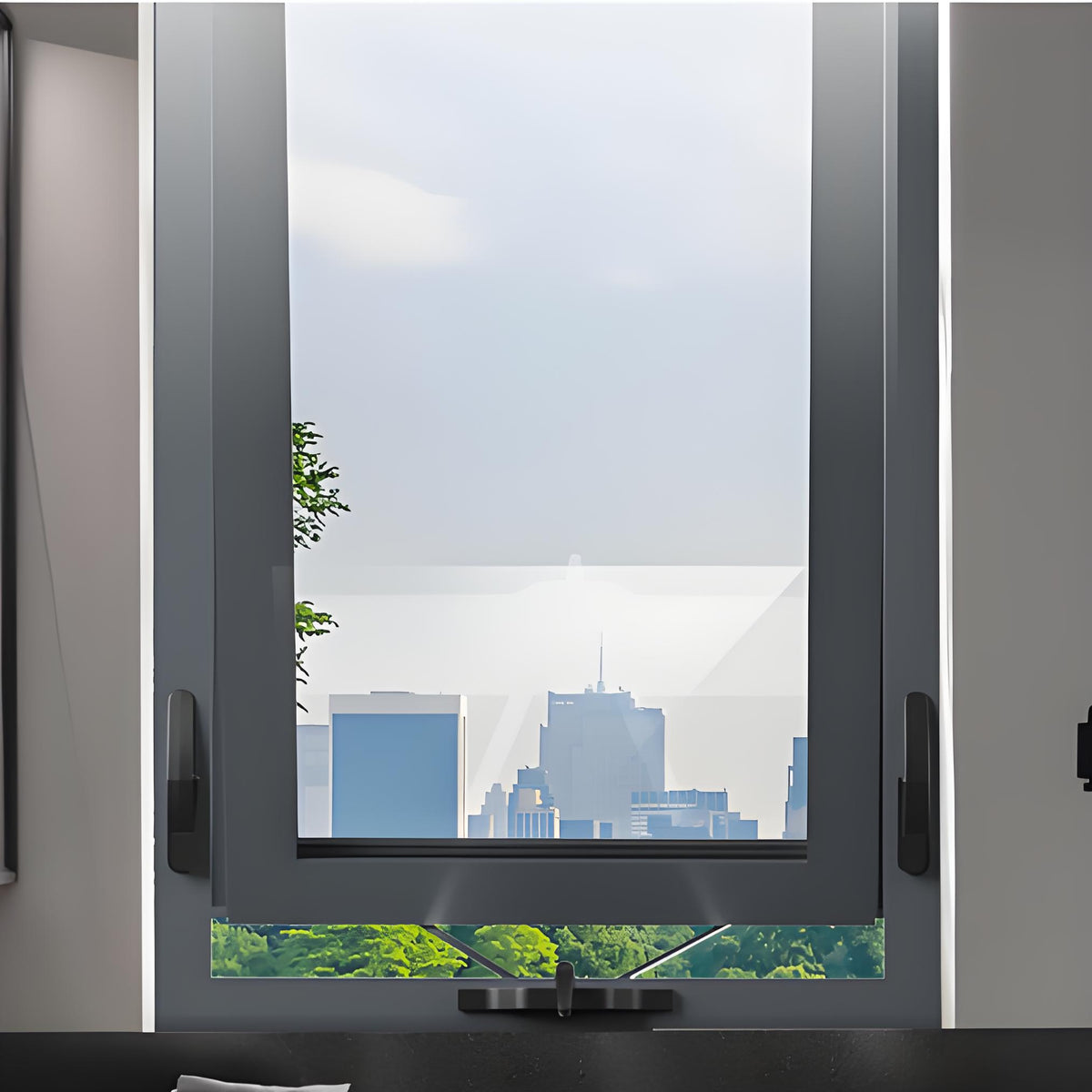
Windows are designed to provide ventilation, natural light, and easy access to fresh air. However, the way a window opens and closes depends on the hardware installed inside the window system. One of the most important components responsible for this movement is the window operator.
A window operator is a mechanical or electric device that controls the opening and closing movement of a window sash. It allows users to operate windows smoothly while maintaining proper positioning and stability.
For casement windows, awning windows, and other window systems, choosing the right operator is essential for reliable operation and long-term performance.
SMOO provides window operator solutions designed for different window applications, including casement windows, awning windows, and customized opening systems.
A window operator is a hardware component that converts the movement of a handle, crank, or motor into the movement needed to open or close a window.
In simple terms, when a user turns a window handle, the operator mechanism transfers that rotation into a controlled opening movement of the window sash.
Window operators are commonly used in:
• Casement windows
• Awning windows
• Residential windows
• Commercial window systems
• Custom window applications
• Curtain wall opening systems
Unlike simple hinges or locks, a window operator is an active component that directly controls the movement of the window.
SMOO window operators are designed to support different window systems by providing controlled movement and reliable operation for various architectural applications.
How Does a Window Operator Work?
The working principle of a window operator depends on the design type, but most systems follow the same basic process.
When the handle or crank is turned:
1. The handle rotates the internal mechanism.
2. Gears or arms inside the operator transfer the movement.
3. The operator pushes or pulls the window sash.
4. The window opens or closes to the desired position.
The operator provides controlled movement and helps keep the window stable during operation.
A well-designed window operator mechanism needs to balance several factors, including:
• Smooth operation
• Load capacity
• Opening angle
• Durability
• Resistance to repeated use
For this reason, window operators require precise manufacturing and reliable materials to ensure consistent performance.
Main Components of a Window Operator
Although designs vary depending on the window type, a typical window operator may include several important components.
The handle is the part users interact with directly. Turning the handle activates the internal mechanism and starts the opening or closing process.
The gear system transfers rotational movement from the handle to the operator arm. High-quality gears help provide smoother operation and reduce wear over time.
The arm connects the operator mechanism to the window sash. As the operator moves, the arm controls the position of the window.
Housing and Mounting Components
The housing protects the internal mechanism and provides a secure connection to the window frame.
The design and quality of these components directly affect the service life and operating experience of the window system.
Different window designs require different types of operators. Selecting the correct type depends on the window structure, size, weight, and opening requirements.
A casement window operator is commonly used for side-hinged windows that open outward.
When the handle is turned, the operator extends the arm and pushes the sash outward. Casement window operators are widely used in residential and commercial buildings because they provide convenient operation and good ventilation control.
SMOO casement window operators are designed for smooth sash movement and reliable operation across different casement window applications. When selecting a casement window operator, factors such as window size, sash weight, and required opening angle should be considered.
An awning window operator is designed for windows that are hinged at the top and open outward from the bottom.
These operators help control the movement and opening of the window sash. The appropriate operator should be selected according to the window's size, weight, and opening requirements.
Awning window systems are often used where ventilation is needed while maintaining some protection from weather conditions.
Manual operators use a handle or crank to control the window movement.
They are commonly used in residential applications where users need simple and reliable operation without additional power requirements.
Electric window operators use a motor to open and close windows automatically.
They are often used in applications where:
• Windows are difficult to reach
• Automated ventilation is required
• Multiple windows need coordinated control
• Smart building systems are used
Electric operators can be integrated into larger window opening systems depending on project requirements.
SMOO also provides window opening solutions for projects requiring automated operation and customized window control systems.
Window Operator vs Window Opener: What Is the Difference?
The terms window operator and window opener are sometimes used interchangeably, but they can refer to slightly different applications.
A window operator generally refers to the hardware mechanism that controls window movement, while the term window opener can be used more broadly for systems that open windows manually or automatically.
A window opener is a broader term that may include:
• Manual opening devices
• Electric opening systems
• Automated ventilation equipment
In the window hardware industry, "window operator" is often used when referring to the mechanical component installed on the window.
For manufacturers and suppliers, understanding the difference between window operators and window openers can help identify the right hardware solution for specific applications. SMOO focuses on providing window operator solutions that support different window designs and operating requirements.

How to Choose the Right Window Operator?
Choosing the correct operator depends on several factors.
The operator must match the window design.
For example:
• Casement windows require casement window operators.
• Awning windows require awning window operators.
• Larger windows may require stronger operating mechanisms.
The operator needs sufficient strength to move and support the window sash.
Larger or heavier windows may require operators designed for the specific sash size and weight.
Before selecting a SMOO window operator, manufacturers should evaluate the sash weight, window dimensions, and operating requirements to ensure compatibility.
Consider:
• Required opening angle
• Manual or electric operation
• Frequency of use
• Installation environment
Different applications may require different operator designs.
Window operators are exposed to repeated movement over their service life. Material selection and manufacturing quality are important factors affecting durability.
For projects requiring long-term reliability, manufacturers need to consider:
• Mechanical strength
• Corrosion resistance
• Manufacturing precision
• Consistent quality control
Choosing SMOO Window Operators for Different Applications
Selecting the right window operator is not only about matching the window type but also ensuring reliable performance throughout the product lifecycle. SMOO provides window operator solutions for residential, commercial, and customized window applications.
With experience in window hardware development, SMOO supports different opening systems, including casement windows, awning windows, and curtain wall applications.
When choosing a SMOO window operator, manufacturers can consider factors such as window structure, sash weight, operating method, and installation requirements to identify the most suitable solution.
Common Applications of Window Operators
Window operators are used in many types of buildings and projects.
In homes, operators are commonly used for:
• Bedroom windows
• Living room windows
• Kitchen windows
• Custom residential projects
They provide convenient ventilation control for everyday use.
Commercial projects often require reliable window hardware that can handle frequent operation.
Window operators can be used in:
• Office buildings
• Public buildings
• Commercial developments
Modern curtain wall systems may require specialized opening solutions.
Window operators designed for curtain wall applications help provide ventilation while meeting the requirements of larger architectural systems.
Why Window Operator Quality Matters
A window operator may be a small component, but it plays an important role in the overall window system.
Poor-quality operators can lead to problems such as:
• Difficult operation
• Uneven opening
• Increased wear
• Reduced window performance
For manufacturers, selecting reliable materials and maintaining consistent production processes are essential for producing durable window hardware.
Choosing a Reliable Window Operator Manufacturer
For window manufacturers, distributors, and construction projects, selecting the right supplier is as important as selecting the right product.
A professional window operator manufacturer should have experience in:
• Product design and development
• Precision manufacturing
• Quality control
• Custom solutions
• Different window applications
SMOO focuses on the research, development, and production of window operator solutions, including manual and electric opening systems for different window applications.
SMOO also develops solutions for curtain wall window opening systems and customized window-opening applications, helping manufacturers select suitable hardware for different architectural requirements.
A window operator is a key component that controls how a window opens and closes. By converting handle or motor movement into controlled sash movement, it provides smooth operation and reliable ventilation.
Understanding how a window operator works, the different types available, and how to select the right mechanism can help window manufacturers, builders, and homeowners make better decisions.
Whether you are selecting an operator for a casement window, awning window, or customized opening system, matching the operator to the window design and operating requirements is essential for reliable performance. SMOO provides window operator solutions designed for different applications, helping manufacturers and builders achieve smoother operation and dependable window performance.
What Is a Window Operator Used For?
A window operator is used to control the opening and closing movement of a window sash. Depending on the design, it can be operated manually with a handle or crank or automatically with an electric system.
How Does a Window Operator Work?
A window operator transfers movement from a handle, crank, or motor to the window sash, allowing the window to open or close in a controlled manner.
What Is the Difference Between a Window Operator and a Window Opener?
The terms can overlap, but a window operator generally refers to the mechanism that controls window movement, while window opener can be used more broadly for manual or electric window-opening systems.
What Type of Operator Is Used for a Casement Window?
Casement windows commonly use casement window operators that connect the operating mechanism to the sash and control its outward opening movement. The appropriate operator depends on the specific window design and application.
How Do I Choose the Right Window Operator?
Consider the window type, sash size and weight, required opening angle, operating method, installation environment, and expected frequency of use. These factors can help determine which operator is suitable for a particular window system.
Why Choose SMOO Window Operators for Window Projects?
SMOO develops window operator solutions for different window systems, including casement windows, awning windows, and customized opening applications. By focusing on product design, manufacturing precision, and application requirements, SMOO helps provide reliable window hardware solutions for manufacturers, distributors, and construction projects.
Share:
SMOO Becomes the Only FGIA Category 1 Member in China — A Milestone in Our Commitment to Quality and Innovation
Casement Window Operator Guide: Types, Applications, and How to Choose